How to Choose the Right Alexandria Catering Service for Your Wedding or Special Event
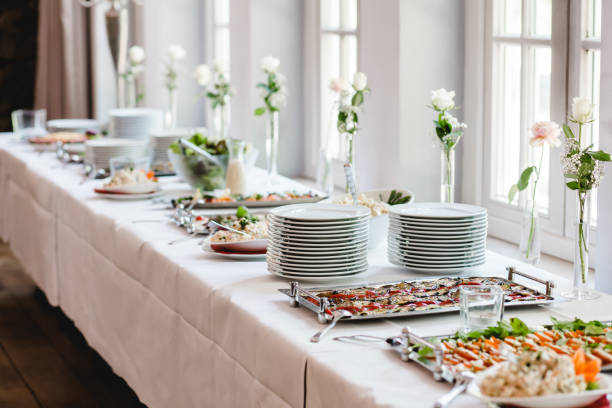
catering wedding buffet events catering wedding buffet for events wedding catering stock pictures, royalty-free photos & images

Start with Research

Conducting thorough research is essential when choosing a caterer. Consider these steps:
Ask for Recommendations: Seek referrals from friends, family, or event planners who have worked with caterers before.
Read Online Reviews: Sites like Yelp, WeddingWire, and The Knot provide reviews from previous clients that can give valuable insights into a caterer’s reputation. – Check Portfolios or Galleries: Go through potential caterers’ websites or social media accounts to see examples of their work, including food presentation and table setups.

Assess Experience and Specialization

Not all caterers specialize in weddings or formal events. When narrowing down options:
– Look for those with significant experience in weddings or similar events to ensure they understand both the scale and formalities involved.
– If you’re hosting a themed event (e.g., rustic wedding), verify that they have handled similar projects successfully.

Schedule Tastings

A tasting session is crucial—it’s your opportunity to evaluate the quality of their food firsthand.
During tastings:
1. Assess if their flavor matches your preferences. 2. Confirm if they can replicate cultural cuisines or specific dishes important to you. 3. Observe how well they present their dishes since appearance matters as much as taste.

Evaluate Their Flexibility

Flexibility in menu planning ensures that you can tailor offerings to suit your wedding vision: – Ensure they’re open to crafting custom menus based on your preferences. – Verify that they accommodate dietary restrictions, including vegetarian, vegan, gluten-free, or allergen-free options.

Example Table: Dietary Considerations Caterers Should Address 

Dietary Requirement Example Dishes Offered by Caterer Notes
Vegetarian Stuffed Portobello Mushrooms Ensure variety beyond just salads
Vegan Lentil & Vegetable Wellington Avoid use of animal-derived ingredients
Gluten-Free Grilled Chicken with Quinoa Double-check cross-contamination policies
Allergies (e.g., nuts) Nut-Free Desserts Clearly label items during service

Check References and Credentials

Always ask potential caterers for references from past clients: – Contact these references to inquire about food quality, service professionalism, and punctuality. – Confirm whether the catering company is licensed and insured to meet local health codes.

Discuss Service Styles

The way food will be served on your big day is another aspect to consider: 1. Plated Service: Ideal for formal weddings; offers more personalized attention but tends to cost more than other options. 2. Buffet Style: Great for casual events; allows guests more freedom but may lead to longer wait times at serving stations. 3. Family Style: Encourages mingling among guests as large platters are passed around tables.

Review which style aligns best with your overall vision for the event atmosphere.

Compare Costs Transparently

When it comes time to discuss pricing: – Request an itemized estimate so there are no hidden fees later on (e.g., rentals like linens). – Clarify what’s included—will they provide flatware? Glassware? Table decor? – Ask about overtime charges in case the event runs over schedule.

Contract Terms

Once you’ve chosen a caterer: 1. Read through their contract carefully before signing. 2. Confirm all details such as dates/timelines, menu selections, guest count deadlines, cancellation policies, etc.

By investing time into selecting a high-quality catering partner who aligns with both your budget and expectations, you’ll ensure an unforgettable dining experience for yourself and all attending guests at your special occasion.

Exploring Menu Options and Flexibility in Catering Alexandria Services

Choosing the right menu for your wedding is a pivotal step in ensuring an unforgettable dining experience for you and your guests. It not only reflects your personal taste but also sets the tone for the event. Here’s how to evaluate menu options and ensure flexibility when working with wedding catering services.

Understanding Your Vision and Theme

To create a cohesive dining experience, it’s important to align your food choices with the overall theme of your wedding. Whether you’re hosting an elegant black-tie affair, a rustic outdoor celebration, or a casual beachside gathering, consider selecting dishes that complement the style of your event.

Wedding Theme Suggested Cuisine Options
Modern & Formal Multi-course plated meals, gourmet hors d’oeuvres
Rustic or Farmhouse Family-style service, locally sourced dishes
Beach or Tropical Fresh seafood, tropical-inspired flavors

Exploring Menu Diversity

  • Appetizers: Start with a mix of hot and cold options, such as mini sliders, bruschetta, or shrimp cocktails.
  • Main Course: Offer at least two protein options (e.g., chicken and fish), along with vegetarian or vegan alternatives.
  • Sides: Provide complementary sides like roasted vegetables, creamy mashed potatoes, or quinoa salads.
  • Desserts: Beyond the wedding cake, think about dessert bars with mini tarts, macarons, or customized cookies.

Considering Guest Preferences

  • Vegetarian
  • Vegan
  • Gluten-free
  • Nut-free
  • Halal or Kosher

Ask potential caterers if they have experience tailoring menus to these specific requirements.

Ensuring Flexibility in Menu Customization

  1. Tastings: Schedule tasting sessions to refine flavors and presentation styles.
  2. Seasonal Ingredients: Choose dishes that incorporate fresh, seasonal produce.
  3. Cultural Dishes: If you’d like traditional family recipes incorporated into the menu (e.g., Indian curries or Italian pasta), ensure your caterer is open to collaboration.
  4. Build Your Own Package: Some caterers offer packages but allow swapping out items based on preferences.

Questions to Ask Your Caterer About Menu Options:

  1. What are their most popular dishes?
  2. Are substitutions allowed within pre-set packages?
  3. Can they adapt menus for seasonal availability?
  4. How do they handle allergy concerns?
  5. Are there additional costs for specialized dietary accommodations?

Budget Considerations While Maintaining Quality

  1. Opt for buffet-style service instead of plated meals if cost is a concern.
  2. Prioritize high-impact courses like appetizers and desserts over more elaborate main courses.
  3. Discuss cost-saving adjustments like using local ingredients or offering fewer but high-quality options.

By evaluating these elements carefully during your selection process, you’ll be able to provide an exceptional dining experience tailored specifically for your wedding day while accommodating diverse tastes and dietary needs seamlessly.

Exploring Menu Options and Flexibility with Alexandria VA Catering Services for Weddings

Selecting the right menu for your wedding is a critical step in creating a memorable experience for you and your guests. The food served at your event can set the tone, enhance the ambiance, and ensure everyone leaves satisfied. Here’s how to evaluate menu options and ensure flexibility when working with wedding catering services.

Understand Your Catering Style Options

  • Plated Dinners: Formal and structured, plated dinners are ideal for traditional weddings where dishes are served directly to guests at their tables.
  • Buffets: A more casual option that allows guests to self-serve from a variety of dishes. Buffets provide freedom of choice but may require more space for setup.
  • Family-Style Service: Guests pass shared platters around the table, which creates a warm and intimate dining atmosphere.
  • Food Stations: Interactive food stations provide diverse options such as carving stations, sushi bars, or pasta stations. This setup encourages mingling while offering variety.
  • Cocktail Receptions: Perfect for smaller events or modern weddings, cocktail-style receptions feature passed hors d’oeuvres and small bites instead of formal meals.

Each catering style has its benefits and challenges. It’s essential to consider your budget, venue constraints, guest preferences, and overall wedding vibe when making this decision.

Evaluate Menu Options Carefully

  1. Seasonal Ingredients: Choose menus that feature fresh, seasonal ingredients to ensure high-quality flavors.
  2. Balanced Selection: Ensure there is a good mix of proteins (meat or vegetarian), sides, salads, beverages, and desserts.
  3. Signature Dishes: Ask if caterers specialize in signature dishes or custom creations that add a unique touch to your event.
  4. Regional Cuisine: If you have cultural ties or want to incorporate regional flavors into your menu (e.g., Mediterranean cuisine or Southern comfort food), confirm whether the caterer has experience in preparing those dishes.

Ask About Flexibility in Customization

  • Dietary Accommodations: Many guests may have dietary restrictions such as gluten-free needs or vegetarian preferences. Select a caterer who can easily adapt menus without compromising taste or presentation.
  • Guest Count Changes: Ensure the caterer can scale up or down depending on last-minute guest confirmations.
  • Personalized Menus: Some couples may wish to include family recipes or specific sentimental dishes in their menu; check if the caterer is open to incorporating these personal elements.

Tips for Comparing Caterers

Criteria Caterer A Caterer B Caterer C
Seasonal Ingredient Use Yes No Yes
Dietary Accommodation Options Yes Limited Yes
Custom Dish Creation Yes No Partially
Ability to Handle Guest Changes Flexible Rigid Highly Flexible

Using such a table will allow you to make data-driven decisions based on specific priorities.

Finalizing Your Choice

Once you’ve evaluated menu options thoroughly while ensuring flexibility across all aspects—dietary needs, customization requests, service style—it’s time to finalize details with your chosen caterer through tastings and contract reviews.

By taking these factors into account early in the planning process, you’ll set yourself up for success while ensuring an enjoyable culinary experience for both you and your guests at the heart of one of life’s most special celebrations.

Luxury Delicious Appetizer Serving Professional caterer with white glove serve finger dessert foods during a cocktail wedding parties or events catering. wedding catering stock pictures, royalty-free photos & images

Exploring Flexible Menu Options for Wedding Catering Alexandria VA

When planning your wedding catering, evaluating menu options and ensuring flexibility is key to creating a seamless and enjoyable dining experience for you and your guests. Thoughtful consideration of these aspects allows for a wedding feast that caters to various tastes, dietary needs, and expectations. Below is an in-depth look at how to approach this critical aspect of wedding planning.

Understand Your Guest Demographics

Start by understanding the preferences and dietary restrictions of your guest list. This can help you narrow down menu options that cater to diverse palates. Consider the following when evaluating your guest demographics:
Cultural Backgrounds: Are there traditional dishes that might be appreciated?
Age Groups: For example, children may require simpler dishes compared to adults.
Special Diets: Are there vegetarians, vegans, or gluten-free individuals attending?

Explore Menu Styles

Wedding catering menus come in various formats. Choose one that aligns with your vision for the event:
1. Plated Dinners: A more formal option where courses are served individually to guests at their tables. Ideal for black-tie or traditional weddings. 2. Buffet Style: Offers variety and allows guests to choose from multiple dishes. Best suited for casual or semi-formal celebrations. 3. Food Stations: Interactive stations such as pasta bars or sushi counters add an element of fun and customization. 4. Family Style Dining: Large platters are passed around tables, encouraging interaction among guests.

Prioritize Flexibility in Catering Services

The best caterers provide flexibility in their offerings, ensuring they can accommodate changes or special requests leading up to the event date. When interviewing potential caterers, ask about their policies regarding:
– Adding or adjusting menu items closer to the wedding day. – Handling last-minute dietary requirements. – Customizing dishes based on seasonal availability or personal preferences.

Questions to Ask Your Caterer About Menu Flexibility

When discussing menu options with a caterer, come prepared with specific questions such as: – Are tasting sessions available before we finalize the menu?
– Can you adapt existing recipes for allergies (e.g., nut-free desserts)?
– What is your approach to including cultural or regional specialties?

Sample Table Comparing Service Style vs Flexibility

Service Style Level of Menu Customization Ideal Use Case
Plated Dinner Moderate Formal weddings with smaller guest lists.
Buffet High Casual settings with diverse tastes
Food Stations Very High Couples seeking interactive experiences
Family Style Moderate Intimate gatherings emphasizing interaction

Special Considerations for Seasonal Ingredients

A great way to incorporate fresh flavors and reduce costs is by selecting a seasonal menu. Collaborate with your caterer on sourcing ingredients that are readily available during your wedding month: – Spring weddings could feature light dishes like asparagus risotto or citrus salads. – Summer menus might include grilled vegetables, fresh berries, and seafood options. – Fall offers hearty choices like butternut squash ravioli or apple tarts. – Winter calls for warm comfort foods such as roasted meats or hot soups.

By taking time to evaluate menu styles while ensuring flexibility from your catering team, you can design a dining experience that delights all guests while reflecting your unique wedding vision.

Tailored Wedding Experiences with Caterers Alexandria VA: Customization and Dietary Requirements

Importance of Customization in Wedding Catering

  • Cultural Preferences: Incorporating dishes from specific cuisines that are meaningful to you or your family can add sentimental value.
  • Seasonal Ingredients: Work with caterers who emphasize fresh, seasonal produce for menus that are not only delicious but also sustainable.
  • Themed Menus: Create menus that complement the overall theme of the wedding, such as rustic-style meals for barn weddings or elegant multi-course dinners for formal events.

Addressing Dietary Restrictions and Preferences

  1. Vegetarian
  2. Vegan
  3. Gluten-Free or Celiac-Friendly
  4. Nut-Free
  5. Dairy-Free
  6. Religious Considerations
    Some guests may have religious dietary restrictions such as kosher or halal requirements.
  7. Food Allergies
    It’s essential to ask about allergies during the RSVP process so the caterer can prepare safely and effectively.

Communicating with Your Caterer

  • Providing a clear list of known dietary restrictions.
  • Asking about options for customizing individual meals if needed.
  • Discussing cross-contamination protocols to prevent allergic reactions.

Sample Menu Approaches

Course Type Standard Option Customization/Alternative Option
Appetizers Mini Quiches Gluten-Free Veggie Skewers
Main Course Grilled Chicken Breast Vegan Mushroom Wellington
Dessert Classic Chocolate Cake Dairy-Free Fruit Sorbet

By offering alternatives like these, you ensure every guest feels included without compromising on quality or taste.

Questions to Ask Your Caterer About Customization

To ensure your caterer is prepared to meet customized requests: – Can menu items be adjusted based on individual guest preferences? – How do you handle food allergies and cross-contamination? – Do you provide tasting sessions to finalize customizations? – Are there additional charges for specialized dishes?

Final Thoughts on Creating a Tailored Experience

By discussing customization options early and addressing dietary requirements thoughtfully, couples can create an inclusive dining experience that resonates with all attendees while reflecting their unique style. Partnering closely with an experienced caterer ensures smooth execution on the big day.

Tips for Evaluating Catering Alexandria VA Services for a Flawless Wedding

When planning a wedding, catering plays a vital role in ensuring that guests have an enjoyable and memorable experience. Beyond the food itself, the style of service, staff professionalism, and overall logistical planning are critical components to assess when evaluating a catering service. Here’s how you can approach these factors to ensure smooth operations on your big day.

Understanding Service Styles

  • Buffet Service: Guests serve themselves from various food stations. This option is generally cost-effective and allows for diverse menu choices.
  • Plated Service: Meals are served individually to each guest at their table. This formal option offers better portion control and a polished dining experience.
  • Family-Style Dining: Platters of food are placed at each table for guests to share. This creates a warm and communal atmosphere ideal for intimate gatherings.
  • Cocktail Reception with Passed Hors d’Oeuvres: Servers circulate with trays of appetizers during a cocktail hour or reception, perfect for less formal or smaller weddings.

It’s important to choose a style that aligns with your vision while also accommodating your guest count and venue layout.

Evaluating Staff Quality

  1. Professionalism: Ensure servers, bartenders, and managers demonstrate politeness, attentiveness, and professionalism in every interaction.
  2. Experience: Inquire about their familiarity with weddings or events similar in size or complexity to yours.
  3. Staff-to-Guest Ratio: A general guideline is one server per 10–15 guests for seated dinners or one server per 25 guests for cocktail-style receptions.
  4. Training: Verify whether staff members are trained in food safety practices as well as serving etiquette.

Ask your caterer whether they provide experienced event coordinators or supervisors who will oversee staff during the wedding.

Logistics Planning

  • Setup & Breakdown Timelines: Confirm when the caterer plans to set up tables, chairs, buffet stations (if applicable), bars, etc., as well as how long they’ll need after the event ends to clean up.
  • Venue Requirements: Check if any venue-specific restrictions (e.g., kitchen access) might affect catering logistics.
  • Guest Flow Management: Discuss how servers will handle meal distribution efficiently without disrupting speeches or dances.
  • Backup Plans: Ensure contingency measures are in place should unexpected issues (e.g., weather-related challenges at outdoor venues) arise.

Questions to Ask Your Caterer

  1. Do you provide all necessary rentals such as linens, glassware, silverware?
  2. How do you handle dietary restrictions alongside large-scale meal preparation?
  3. Will there be an on-site point-of-contact managing catering operations throughout my event?

By carefully assessing these aspects early in your planning process—service style suitability backed by well-trained staff plus comprehensive logistical expertise—you’re setting yourself up for flawless results sure delight your attendees

Finding the Best Catering in Alexandria VA for a Memorable Wedding Celebration

Selecting the right caterer is a crucial step in planning an unforgettable wedding celebration. Your choice of caterer will significantly impact the dining experience and ensure your guests leave with fond memories of your special day. Here’s a guide to help you identify and collaborate with the perfect caterer for an exceptional event.

Bringing Your Vision to Life with a Catering Company Alexandria VA

Before reaching out to potential caterers, take time to define your wedding vision. Consider key aspects such as:
Theme and Ambiance: Are you envisioning a formal black-tie affair, a rustic outdoor gathering, or an intimate backyard celebration?
Guest Count: Ensure the caterer has experience serving weddings of your size. Catering for 50 guests differs greatly from catering for 300 attendees.
Budget: Establishing a realistic budget beforehand allows you to focus on vendors that align with your financial plan.

Tips for Researching Corporate Catering Alexandria VA Options

Once you have clarity on your needs, research caterers in your area who specialize in wedding events. Some tips include:
– Checking reviews on trusted platforms like Google or The Knot.
– Requesting recommendations from friends, family, or other wedding vendors (e.g., venue managers).
– Exploring portfolios or sample menus on catering websites to ensure their style complements yours.

Key Questions to Ask During Consultations

When meeting potential caterers, asking the right questions can help you gauge their suitability:
1. Experience: Have they catered weddings similar to yours? What challenges have they faced in past events, and how did they overcome them?
2. Menu Flexibility: Can they customize menus based on cultural traditions or dietary restrictions (e.g., vegan, gluten-free)?
3. Tasting Sessions: Do they offer tastings prior to finalizing the menu? This allows you to assess portion sizes, food quality, and presentation standards.

Collaboration Strategies for Seamless Execution

Step Collaboration Tips
Initial Consultation Share your event details, guest count, and any dietary concerns upfront. Take notes during discussions for future reference.
Menu Customization Work together on creating a menu that reflects your personality while accommodating special requests.
Logistics Planning Confirm service style (plated dinner vs buffet), rental needs (tables/chairs), setup timing, and clean-up responsibilities.

Benefits of Working With Professional Wedding Caterers

Professional wedding caterers bring expertise that takes pressure off couples during their celebration by offering:
– Stress-free management of food preparation and serving logistics. – Experienced staff trained in providing excellent guest service. – Attention-to-detail that ensures food presentation aligns with overall decor.

When partnered correctly with an experienced team who understands both vision + delivers well-executed meals tailored memorable day easier achieve.


Tips for Choosing the Perfect Catering in Alexandria VA for Your Wedding Celebration

stylish champagne glasses and food appetizers on table at wedding reception. luxury catering at celebrations. serving food and drinks at events concept stylish champagne glasses and food appetizers on table at wedding reception. luxury catering at celebrations. serving food and drinks at events concept wedding catering stock pictures, royalty-free photos & images

Selecting the ideal caterer for your wedding day can be a daunting task, but it is also one of the most important decisions you’ll make in planning your celebration. The right caterer not only delivers delicious food but also enhances the overall guest experience by aligning with your vision and preferences. Here’s a comprehensive guide to help you make the right choice.

Kickstart Your Event Planning with Corporate Catering Alexandria VA

Before committing to a caterer, invest time in thorough research. Use these tips as a starting point:
Ask for Recommendations: Consult friends, family, or recently married couples for referrals. Personal experiences can provide valuable insights.
Check Online Reviews: Browse reviews on platforms such as Yelp, The Knot, or Google to get an idea of caterers’ reputations and customer satisfaction.
Visit Social Media Pages: Many catering companies showcase their work on Instagram or Facebook. This is an excellent way to see samples of their presentations and menus.

Determine Your Catering Style

Catering Style Description
Plated Service Guests are served individual plates at their tables for a formal atmosphere.
Buffet Guests serve themselves from a variety of dishes; ideal for casual weddings.
Family-Style Large portions are placed on each table, encouraging interaction among guests.
Food Stations Various stations offer different cuisines or dishes for a dynamic experience.

Discuss with potential caterers how they can accommodate your preferred style while still meeting logistical requirements like venue space.

Ask Questions During Initial Consultations

When narrowing down potential caterers, prepare a list of questions to ask during consultations: – Are you familiar with my wedding venue?
– Can you accommodate dietary restrictions like vegetarian/vegan/gluten-free menus?
– What is included in your service packages (e.g., tableware, servers)?
– Do you have liability insurance?
– How do you handle last-minute changes?

Their responses will help determine if they’re flexible and prepared enough to meet your needs.

Schedule Tastings

Never skip this step before finalizing any agreements with a caterer. A tasting allows you to sample items from their menu and verify that their culinary skills align with your expectations.

What To Look For During Tastings: 1. Food Quality – Freshness and flavor should meet high standards. 2. Presentation – Pay attention to how dishes are plated and served. 3. Customization – Confirm whether they can adjust dishes based on feedback.

Understand Costs

Budgeting is crucial when selecting a wedding caterer since catering often represents one of the largest expenses in any celebration budget.

Components That May Affect Catering Costs: – Number of Guests – Menu Complexity (e.g., gourmet vs simple offerings) – Staffing Requirements – Additional Rentals (e.g., glassware, linens)

To ensure transparency, ask for an itemized quote outlining all services so there are no surprises later on.

Request References

Don’t hesitate to ask prospective caterers for references from past clients who hosted similar-sized events or had comparable needs as yours. Speaking directly with former customers can provide clarity about reliability and overall performance.

Selecting the perfect wedding caterer requires careful consideration—but with proper planning and research, it’s achievable!

Top Tips for Choosing Alexandria Catering Services for Your Dream Wedding

Choosing the right wedding caterer is a pivotal step in ensuring that your big day is both memorable and enjoyable for you and your guests. The catering experience is about more than just the food; it reflects your style, preferences, and overall vision for the celebration. Here are essential tips to guide you in selecting a wedding caterer who aligns perfectly with your plans.

1. Define Your Vision and Goals

Before reaching out to caterers, take time to outline your expectations. Consider:
Style of service: Do you prefer a formal sit-down dinner, buffet-style meal, family-style service, or even food stations?
Cuisine preferences: Are you leaning toward traditional dishes, fusion cuisine, or unique twists on classic recipes?
Dietary restrictions: Ensure the caterer understands any allergies or dietary needs such as gluten-free, vegan, or nut-free options.

Clarifying these details upfront will help you narrow down your choices.

2. Research Caterers Thoroughly

Start by creating a list of potential caterers in your area. Use the following resources:
Referrals: Ask friends or family who recently hosted events for recommendations.
Wedding planners: Experienced planners often have trusted relationships with reliable caterers.
Online reviews: Platforms like Yelp, Google Reviews, or The Knot can provide valuable insights into customer satisfaction and reliability.

Compile this information into a shortlist for further evaluation.

3. Schedule Consultations

Once you have a list of potential vendors, set up initial consultations to discuss their offerings and how they can meet your needs. Key questions to ask include:
– What are their specialties?
– Can they accommodate specific themes or cultural cuisines?
– Do they offer flexibility in customizing menus?
– Are they licensed and insured?

Remember to assess their level of professionalism during these meetings as it reflects their approach on the day of the event.

4. Attend Tastings

A tasting session is an invaluable opportunity to evaluate flavors, presentation styles, and portion sizes before committing to a vendor. During tastings: – Focus on how well the dishes align with what was promised during consultation. – Consider if their preparation techniques match your preferences (e.g., seasoning levels). – Observe presentation quality—visual appeal matters as much as taste.

Note any discrepancies between expectations set during meetings versus results delivered at tastings.

5. Evaluate Their Contract Terms

Before signing an agreement: 1) Verify all inclusions such as linens/tableware rentals if applicable. 2) Confirm cancellation policies/force majeure conditions given unpredictable factors sometimes affecting weddings. 3) Check whether gratuity/additional surcharges like setup fees apply outside quoted totals etc..

Creating a Wedding Menu with Catering Alexandria That Reflects Your Style and Personality

Your wedding menu is more than just food; it’s an extension of your identity as a couple. Whether you lean towards classic elegance, adventurous flavors, or cultural traditions, a thoughtfully crafted menu can leave a lasting impression on your guests. Here’s how to design a wedding menu that aligns with your personal style and creates an unforgettable dining experience.

Understand Your Preferences and Theme

Before diving into specific dishes, take time to reflect on the overall theme and tone of your wedding day. Consider these questions:
– Are you planning a formal sit-down dinner or a casual buffet-style reception?
– Is the event rooted in cultural traditions that you’d like to showcase through food?
– Do you prefer classic dishes or are you looking for something more innovative?

Once you’ve identified these elements, communicate them clearly with your caterer to ensure their offerings align with your vision.

Incorporate Personal Touches

Adding personal touches to the menu can make it truly unique. Some ideas include:
Signature Dishes: Include family recipes or foods that have sentimental value for both of you. For example, if you had lobster rolls on your first date, consider serving mini versions as appetizers.
Cultural Flavors: Highlight ingredients or dishes from your heritage, such as Italian bruschetta, Indian samosas, or Korean barbecue sliders.
Regional Ingredients: If you’re hosting in a specific location that is known for its cuisine (e.g., Napa Valley wine-focused pairings), source local ingredients for an authentic touch.

Offer Variety for Guest Preferences

Dietary Need Examples
Vegetarian/Vegan Grilled vegetable stacks, vegan stuffed peppers
Gluten-Free Zucchini noodles with pesto, gluten-free desserts
Allergen-Friendly Nut-free desserts, dairy-free appetizers

Additionally, consider offering at least one red meat option (e.g., beef tenderloin), one white meat (e.g., rosemary chicken), and one seafood dish (e.g., herb-crusted salmon) to cater to broader tastes.

Balance Seasonal Ingredients

Designing the menu around seasonal produce ensures fresh flavors while often being cost-effective. For example:
– Spring weddings: Asparagus risotto or lemon-herb chicken paired with pea puree.
– Summer weddings: Watermelon feta salad or grilled peach crostini as appetizers. – Fall weddings: Butternut squash soup shooters or maple-glazed pork loin. – Winter weddings: Braised short ribs accompanied by roasted root vegetables.

Discuss seasonal availability with your caterer when planning each course.

Add Modern Flair Through Presentation

How food is presented can elevate even simple dishes into something spectacular. Speak with your caterer about creative plating techniques and layouts: – Interactive Food Stations – Taco bars or DIY pasta stations add engagement for guests. – Miniature Versions – Bite-sized portions of favorites provide variety without overwhelming. – Elegant Displays – Use unique serving vessels like slate boards for charcuterie spreads or glass jars for layered desserts.

Final Checklist Before Confirming the Menu

To ensure every detail aligns with your vision before signing off on the final menu: 1. Schedule a tasting session to review taste profiles and presentation. 2. Confirm that all dietary restrictions will be accommodated effectively. 3. Double-check portion sizes per guest count so there’s no shortage—or excess—of food. 4. Align beverage pairings (both alcoholic and non-alcoholic) with selected dishes.

By focusing on these core areas—your preferences, presentation style, seasonal choices, and guest inclusivity—you can craft a wedding menu that feels personal while also leaving everyone satisfied at the table.

Champagne Reception Wedding reception drinks served by a waiter wedding catering stock pictures, royalty-free photos & images

Creating a Wedding Menu with Alexandria VA Catering That Reflects Your Style and Personality

Your wedding menu is more than just a selection of delicious dishes; it’s an opportunity to tell your story as a couple. By carefully crafting a menu that reflects your style and personality, you can create an unforgettable dining experience for your guests. Here’s how to get started.

Understand Your Culinary Preferences

  • Do you prefer classic, comfort foods or trendy, gourmet dishes?
  • Are there any cultural or regional cuisines that are meaningful to you?
  • Do you have dietary preferences or restrictions (e.g., vegetarian, gluten-free) that need to be accommodated?
  • Are there specific meals from your relationship (first date, vacations, family gatherings) that inspire you?

Incorporate Personal Touches

  • Signature Dishes: Highlight one or two dishes inspired by family recipes or cultural traditions.
  • Custom Cocktails: Create custom mocktails or cocktails named after significant moments in your relationship.
  • Interactive Stations: Offer unique food stations like taco bars, sushi-making setups, or build-your-own dessert stations.
  • Seasonal Ingredients: Work with your caterer to incorporate fresh, seasonal ingredients that align with the time of year.

Balancing Variety and Cohesion

When planning the menu, aim for a balance between variety and cohesion so all guests can enjoy the offerings without feeling overwhelmed.

Food Category Example Options
Appetizers Mini sliders, caprese skewers, bruschetta
Main Entrées Herb-crusted chicken, seared salmon filet, vegetarian risotto
Sides Roasted vegetables, garlic mashed potatoes
Desserts Cupcake towers, fruit tarts

Ensure there are options for dietary restrictions such as vegetarian or gluten-free guests.

Collaborate With Your Caterer

  1. Share inspiration boards or menus from other events you’ve loved.
  2. Discuss portion sizes to avoid over-ordering or waste.
  3. Confirm how food will be served—plated meals vs. buffet style.
  4. Ask about presentation details such as garnishes and tableware.

Don’t Forget About Beverages

Pairing beverages thoughtfully with food enhances the overall experience. Include options like sparkling water infused with fruit for non-drinkers alongside wine pairings for entrees.

Carefully curating every aspect of the menu ensures that each dish resonates not only with flavors but also meaningfully reflects who you are as a couple.

Tips for Scheduling a Tasting for Wedding Catering Alexandria VA

Selecting the right wedding caterer is a critical decision that can significantly impact the success of your big day. One essential step in this process is scheduling a tasting before making any final arrangements. A tasting allows you to evaluate the quality, presentation, and flavors of the menu options while ensuring they align with your vision and expectations. Here’s why this step should not be overlooked.

Why a Tasting Matters

  1. Assess Food Quality
    A tasting provides an opportunity to sample dishes firsthand. This enables you to determine whether the caterer delivers on taste, texture, and overall quality.
  2. Understand Presentation Style
    How food looks on the plate is just as important as how it tastes. A tasting session allows you to see how dishes will be plated and served at your wedding, ensuring it matches your event’s aesthetic.
  3. Customize Your Menu
    Caterers often offer pre-set menus; however, tastings provide an open dialogue for adjustments based on dietary restrictions, cultural preferences, or specific meal ideas you want included for guests’ enjoyment.
  4. Gauge Professionalism
    Beyond just the food itself, a tasting gives insight into the caterer’s attention to detail, responsiveness, and willingness to accommodate requests—a key factor in building confidence in their services.

How to Prepare for a Tasting

  • Finalize Guest Count: Before attending a tasting, ensure you have an approximate idea of your guest count so portion sizes can be discussed.
  • Know Your Budget: Be upfront about what you’re willing to spend so that offerings during the tasting align with financial expectations.
  • Bring Questions: Prepare questions about sourcing ingredients (local vs imported), seasonal menus, or eco-friendly practices if sustainability matters to you.
  • Attend with Key Decision-Makers: Bring along anyone whose feedback is crucial—such as your partner or wedding planner—to make collaborative decisions.

Questions to Ask During Your Tasting

Question Purpose
Can we adjust portion sizes? To ensure meals are satisfying for guests
Are there vegan/vegetarian options available? To accommodate dietary needs
What happens if there are last-minute changes? To understand flexibility policies

Red Flags During Tastings

  • Dishes lack flavor or freshness.
  • The team appears disorganized or rushed.
  • There’s resistance when discussing menu modifications.
  • The presentation feels sloppy or inconsistent with expectations.

Scheduling a catering tasting provides unparalleled insight into how well-suited a vendor is for your wedding day needs. It’s more than just sampling food—it’s about gaining confidence that every dish served will live up to both yours and your guests’ expectations. Preparing ahead of time and asking thoughtful questions ensures you leave no detail overlooked while making one of the most important decisions for your celebration’s success.

How to Use Referrals and Online Reviews to Find the Best Caterers Alexandria VA

Finding the ideal caterer for your wedding is a significant part of your planning journey. One of the most effective ways to ensure you’re making the right choice is by leveraging referrals and online reviews. These resources provide firsthand insights into a caterer’s quality, reliability, and ability to deliver exceptional service on your big day.

Why Referrals Matter

  • Firsthand Experiences: Friends, family members, or colleagues who have recently planned a wedding can share their honest opinions about their catering experience.
  • Trusted Feedback: A referral from someone you know helps eliminate uncertainty because their suggestions are based on real-life experiences.
  • Insight Into Service Quality: Referrals often give you details about not just the food but also customer service, promptness, and professionalism.

Pro Tip: When asking for referrals, inquire about specific details such as menu flexibility, responsiveness during planning, and how well they handled any last-minute changes.

How to Leverage Online Reviews

  1. Read Recent Reviews: Focus on reviews written within the past 12–18 months to ensure relevance.
  2. Look For Patterns: Consistency matters. If multiple reviewers praise a specific dish or mention issues with punctuality, take note of recurring themes.
  3. Check Responses: A professional caterer often replies politely and constructively to both positive and negative feedback—a sign they care about client satisfaction.
  4. Explore Photos Posted by Reviewers: User-uploaded photos can give you a realistic idea of presentation quality versus professional marketing images.
Platform Key Features Ideal For
Google Reviews Offers star ratings & detailed comments General feedback on service quality
Yelp Includes photos & detailed search filters Insights into food presentation & variety
WeddingWire Specialized for weddings; sorted by vendor type Verified reviews specific to weddings
The Knot Industry-specific advice & user testimonials Exploring caterers aligned with your theme

Questions To Ask Based on Reviews or Referrals

  • Can they provide references from previous clients?
  • How do they accommodate dietary restrictions?
  • Are there additional fees for setup or cleanup not mentioned in reviews?
  • What measures do they take if something unexpected occurs (e.g., delayed delivery)?

Balancing Referrals With Online Research

While referrals offer personal insights, combining them with thorough online research ensures a holistic evaluation of potential caterers. You’ll gain access to both anecdotal accounts from trusted sources and broad feedback across diverse clientele.

By utilizing these resources effectively—and asking critical follow-up questions—you can select a wedding caterer who not only meets but exceeds expectations for your special day’s culinary needs.

Table setting for an event party or wedding reception Table setting for an event party or wedding reception wedding catering stock pictures, royalty-free photos & images

How to Set a Catering Budget for Your Dream Wedding in Alexandria VA

One of the most significant aspects of your wedding planning process is setting a budget for catering. Your catering choices not only impact the overall guest experience but also play a major role in determining how much you’ll spend. Here’s a step-by-step guide to help you establish a realistic catering budget without compromising on quality or elegance.

Understand the Average Cost of Wedding Catering

  • The type of service (e.g., buffet, plated dinner, family-style)
  • The number of courses served
  • The inclusion of additional items like appetizers, late-night snacks, or dessert tables
  • Alcohol options (e.g., open bar, limited bar, or BYOB)

Research local caterers in your area to get an idea of pricing trends.

Determine Your Guest Count Early

  1. Finalize your guest list before signing any contracts with caterers.
  2. Plan for about 5%-10% more guests than anticipated to account for last-minute RSVPs or unexpected attendees.
  3. Be mindful that fewer guests often allow you to splurge more per person on higher-quality food and drink options.

Decide on Service Style and Menu Options

Service Style Cost Impact Notes
Buffet Generally more affordable Requires fewer staff; however, may lead to food waste if portions are not carefully managed.
Plated Dinner Higher cost Provides a formal experience but involves additional staffing needs and coordination to serve multiple courses simultaneously.
Family-Style Moderate cost Creates an intimate dining atmosphere but requires substantial amounts of food to ensure all guests are satisfied.

When it comes to menu selections, consider offering seasonal ingredients or local cuisines that may help reduce costs while adding a unique touch.

Account for Additional Catering Costs

  • Service Charges: Many caterers charge an additional fee for staffing (servers, bartenders) or setup/cleanup services.
  • Gratuities: Plan to tip servers and other staff members around 15%-20% depending on service quality.
  • Rentals: Additional costs may include tableware, linen rentals, glassware, and serving equipment if not provided by your venue or caterer.
  • Alcohol Costs: Decide whether you’ll provide an open bar or limit drink options based on your budget constraints.

Prioritize What Matters Most

  1. Is it essential that you serve gourmet dishes?
  2. Do you want premium alcohol selections at the bar?
  3. Are elaborate presentations important?

By focusing on priorities rather than trying to do everything at once, you’ll be able to allocate funds where they’ll have the most meaningful impact.

Consult with Multiple Caterers

  • Request quotes from at least three different caterers so you can compare their offerings side by side.
  • Ask each caterer about their packages—some may offer discounts when bundling services like appetizers and late-night snacks.
  • Ensure full transparency regarding pricing structures so there are no surprises later in the process.

Sample Budget Breakdown Table (For 100 Guests)

Expense Category Estimated Percentage Approximate Budget ($10k Total)
Food 50% $5,000
Beverages 20% $2,000
Staffing & Gratuities 15% $1,500
Rentals & Tableware 10% $1,000
Taxes & Miscellaneous 5% $500

By planning carefully and being mindful while allocating resources within your budget framework, you can create an unforgettable dining experience that aligns perfectly with your dream wedding vision while staying financially responsible.

Tips from a Catering Company Alexandria VA on Setting Your Dream Wedding Budget

When planning your wedding, catering is often one of the most significant expenses. Setting a realistic and well-thought-out catering budget is essential to ensure your big day is both memorable and financially manageable. Below are expert strategies to help you establish and stick to a catering budget that aligns with your vision.

Factors to Consider When Creating Your Budget

  • Number of Guests: The guest count directly impacts food, beverage, and service costs. Confirming your guest list early can help you determine an accurate estimate.
  • Style of Service: The type of service you choose—plated dinners, buffets, family-style meals, or food stations—will affect costs. Plated dinners tend to be more expensive due to higher staffing needs.
  • Menu Selection: The complexity of your menu can significantly impact pricing. Premium dishes featuring seafood or exotic ingredients will cost more than simpler options like chicken or pasta-based meals.
  • Beverages: Alcoholic beverages are a large expense in many weddings. Decide whether you’ll offer an open bar, limited bar, or signature drinks only. Non-alcoholic options can also add up if you’re opting for specialty beverages like mocktails or infused waters.
  • Hidden Costs: Don’t forget about extras like taxes, gratuity, service fees, cake cutting fees, and rentals (e.g., linens, glassware). These can add 20%–30% to the final catering bill.

Steps to Set Your Catering Budget

  1. Determine Total Wedding Budget
    Before allocating funds specifically for catering, decide on an overall wedding budget by considering what you’re comfortable spending without undue financial stress.
  2. Allocate 40%–50% for Catering
    A good rule of thumb is to reserve 40%–50% of your total budget for food and beverages since this will likely be one of the largest single expenses.
  3. Get Multiple Quotes from Caterers
    Request detailed quotes from at least three caterers to compare prices and offerings. Look closely at what’s included versus what may come as an additional charge.
  4. Prioritize Must-Haves Over Extras
    Decide which aspects matter most to you—whether it’s gourmet entrees or unique cocktails—and allocate more resources there while cutting back on items that aren’t as crucial.
  5. Plan for Contingencies
    Set aside 5%–10% of your catering budget as a buffer in case unexpected costs arise during the planning process.

Example Table: Sample Catering Budget Breakdown

Expense Category Percentage Allocation Estimated Cost (Based on $15k Wedding)
Food & Beverages 45% $6,750
Rentals (Linens/Décor) 10% $1,500
Staffing/Service Fees 8% $1,200
Gratuities & Tips 7% $1,050
Miscellaneous Costs 5% $750

Total Cost = $11,250 (Example assumes other wedding categories make up remaining costs like venue rental or photography)

Tips for Saving Money on Catering

  • Opt for seasonal ingredients which tend to cost less yet offer fresh flavors.
  • Skip elaborate plated meals in favor of buffet-style setups.
  • Limit bar service hours instead of offering an open bar all evening.
  • Incorporate stations showcasing simple yet crowd-pleasing favorites such as pasta bars or taco stations.
  • Choose smaller portion sizes but compensate with filling appetizers during cocktail hour.

By taking these steps and carefully balancing taste with practicality, you’ll establish a well-rounded catering plan that delights guests without overwhelming your finances.


5 Things to Consider When Choosing Alexandria Catering for Your Wedding

Catering Food Wedding Event Table Catering Food Wedding Event Table wedding catering stock pictures, royalty-free photos & images

When it comes to planning your wedding, catering is one of the most essential elements to get right. The food and service will leave a lasting impression on your guests, so selecting the perfect wedding caterer requires careful consideration.

Choose a caterer with a solid track record in the wedding industry. Experienced caterers are more likely to handle unexpected challenges with ease and ensure everything runs smoothly.
– Look for online reviews on platforms like Google or Yelp.
– Ask for references from previous clients and follow up with them.
– Check for any awards or recognition they’ve received in the catering industry.

It’s important that your caterer can accommodate your vision for the menu while considering guests’ preferences.
– Can they customize dishes based on dietary restrictions or cultural preferences?
– Do they offer options for vegan, vegetarian, gluten-free, or allergy-friendly meals?
– Are you able to create a completely bespoke menu?

A great caterer will be willing to adapt their offerings to suit both your needs and those of your guests.

A tasting session is vital before signing any contract with a caterer.
– The quality of ingredients used.
– The presentation of dishes—are they visually appealing?
– Whether flavors match what you envision for your big day.

During this session, take notes about dishes you love as well as those that may need adjustments.

Different weddings call for different catering styles, so confirm that the caterer offers flexibility in service options such as:
| Service Style | Description| |————————–|——————————————————————————–| | Plated Dinner | Guests are served individually at their tables by waitstaff. | | Buffet | A self-service arrangement where guests help themselves from various stations. | | Family Style | Large platters are brought to each table for shared dining experiences. | | Food Stations | Interactive food stations featuring themed cuisines or customizable dishes.

Discuss which style best fits your vision, guest count, and venue layout.

Weddings can quickly become expensive, so it’s important that your chosen caterer aligns with your budget without sacrificing quality or service standards.
– Request an itemized quote detailing all costs (e. g. , staffing fees, rentals, taxes).
– Compare quotes from multiple vendors while keeping in mind their level of expertise and included services. – Ensure there won’t be surprise fees added later—ask about overtime charges if applicable.

By finding transparency in pricing as well as value through high-quality ingredients and attentive service, you’ll feel confident moving forward with your choice.

Selecting the right wedding caterer takes time but is worth every effort when it ensures a memorable experience filled with delicious food, excellent service, and happy guests who’ll talk about it long after the celebration ends.

Make Your Event Memorable with the Best Catering in Alexandria VA

When it comes to planning a wedding, catering is one of the most memorable aspects for your guests. A thoughtfully curated menu and exceptional service can leave a lasting impression, elevating your celebration into an extraordinary event. Here’s how you can wow your guests with unforgettable wedding reception catering.

Create a Unique and Customized Menu with Catering Alexandria

One way to impress your guests is by offering a menu that reflects your personal tastes and the theme of your wedding. Work closely with your caterer to create dishes that are both appealing and meaningful.

  • Incorporating Local Flavors: Highlight regional ingredients or dishes that showcase local culinary traditions.
  • Offering Signature Dishes: Include family recipes or meals from places you’ve traveled together as a couple.
  • Inventing Custom Cocktails: Design signature cocktails named after the couple or key moments in your relationship.

By adding personal touches, you make the meal not only delicious but also memorable for everyone attending.

Elevate Your Events with Alexandria VA Catering Services

The visual appeal of food plays a crucial role in creating an unforgettable dining experience. Ensure that your caterer pays attention to details such as plating, garnishes, and table settings.

  • Use edible flowers or herbs as elegant garnishes on main courses and desserts.
  • Present appetizers on creative platters like tiered stands, rustic wooden boards, or ornate trays.
  • Incorporate themed elements into food displays—like color schemes that match the décor or serving options that align with cultural traditions.

A visually stunning spread will spark excitement before guests even take their first bite.

Interactive Food Stations for Wedding Catering in Alexandria VA

Interactive food stations add entertainment value while allowing guests to customize their meals according to their preferences.

Station Highlights
Build-Your-Own Taco Bar Guests can select tortillas, proteins, toppings, and sauces for personalized tacos.
Pasta Station Freshly prepared pasta made-to-order with choice of sauces and add-ons like shrimp or vegetables.
Carving Station Professional chefs serve freshly carved meats like prime rib or turkey accompanied by condiments.
Dessert Bar Options such as cupcakes, cookies, macarons, or small tarts for a sweet finale.

These interactive options keep guests engaged while providing variety for different tastes and dietary needs.

Discover How Caterers Alexandria VA Use Seasonal Ingredients

Food tastes better when it’s fresh and in season—incorporate seasonal produce into your menu for vibrant flavors that stand out.

  • Spring weddings could feature fresh asparagus, peas, strawberries, or rhubarb.
  • Summer menus might include sweet corn, tomatoes, peaches, or watermelon dishes.
  • Fall weddings lend themselves well to squash soups, apple-based desserts, or roasted root vegetables.
  • Winter celebrations pair beautifully with hearty stews featuring potatoes and winter greens.

Working with seasonal ingredients also often leads to cost savings since they are more readily available during specific times of the year.

Explore Thoughtful Beverage Options with Catering Alexandria VA

A well-rounded beverage selection enhances the overall experience of any reception meal.

  • Offer non-alcoholic mocktails with sophisticated flavors so non-drinkers feel included.
  • Showcase local craft beers alongside popular brands.
  • Provide warm beverage stations (coffee/tea/hot chocolate) for evening receptions during cooler months.

This ensures there’s something for every guest regardless of their preferences.

Experience a Top-Tier Catering Company Alexandria VA Relies On

No matter how great the food is, poor service can quickly overshadow an otherwise stellar dining experience.

  1. Timely refills of drinks at tables.
  2. Friendly interactions without being intrusive.
  3. Efficient clearing away of used plates between courses.

Guests should leave feeling both satisfied by incredible food offerings and impressed by seamless hospitality throughout the event.

By focusing on these elements—customized menus tailored uniquely towards yourselves as couples combined w/innovative approaches such incorporating activity-stations—you’ll ensure memories deliciously linger long after special-day ends.

waiter pouring champagne in stylish glasses at luxury wedding reception. rich celebration. expensive catering and service at feast. new year and christmas celebrations and drinks waiter pouring champagne in stylish glasses at luxury wedding reception. rich celebration. expensive catering and service at feast. new year and christmas celebrations and drinks wedding catering stock pictures, royalty-free photos & images

Quality Ingredients and Freshness: The Key to Corporate Catering Alexandria VA

When planning your wedding, the food you serve plays a significant role in creating an unforgettable experience for you and your guests. One of the most critical factors to consider when selecting a wedding caterer is their commitment to quality ingredients and freshness. These elements not only impact the flavor of the dishes but also reflect the overall standard of your event.

Why Quality Ingredients Matter

Using high-quality ingredients enhances every dish served at your wedding reception.

  • Flavor: Fresh and premium ingredients produce richer, more authentic flavors that elevate even simple dishes.
  • Presentation: High-quality ingredients typically look better on the plate, making dishes more visually appealing.
  • Health Benefits: Nutritious, fresh options are healthier for your guests and set a positive tone for your celebration.

For example, using organic produce, sustainably sourced seafood, or grass-fed meats can make a significant difference in both taste and quality.

The Role of Freshness in Catering

Freshness ensures that every dish is prepared with care and attention to detail. Stale or processed components can lead to subpar results that may leave guests underwhelmed.

  1. Taste Profile: Fresh ingredients retain their unique flavors better than processed or frozen alternatives.
  2. Food Safety: Recently sourced items reduce the risk of foodborne illnesses, ensuring guest safety.
  3. Aromatic Appeal: Freshly prepared meals release enticing aromas that enhance the dining atmosphere.

Ask potential caterers about their sourcing practices—do they use local farmers’ markets? Do they prioritize seasonal produce? This information can give you confidence in their approach.

Questions to Ask Your Caterer About Ingredients

Question Why It’s Important
Where do you source your ingredients? Local sourcing often means fresher products with minimal transit time.
Are menu items made from scratch? Scratch-made items indicate attention to detail and avoid pre-made shortcuts.
Do you accommodate seasonal menus? Seasonal ingredients are fresher and often more sustainable.

Benefits of Prioritizing Ingredient Quality

  • It reflects care for your guests’ dining experience.
  • Enhances the reputation of your event among attendees.
  • Allows customization based on preferred cuisines without compromising flavor or authenticity.

By focusing on ingredient quality and freshness when selecting a caterer, couples can ensure that their wedding meal becomes one of the most memorable parts of their special day.

The Importance of Quality Ingredients and Freshness in Wedding Catering

When it comes to wedding catering, the quality of ingredients and their freshness can make or break the dining experience for your guests. A well-prepared menu crafted from top-notch ingredients not only enhances the flavor of dishes but also reflects the care and attention invested in your special day. Below, we delve into why prioritizing high-quality, fresh ingredients is crucial for a memorable wedding reception.

Why Quality Ingredients Matter

  1. Superior Taste: High-quality ingredients provide a richer and more authentic flavor profile. Whether it’s a tender cut of meat or organic heirloom vegetables, using premium products elevates every dish served.
  2. Enhanced Presentation: Fresh, vibrant ingredients contribute significantly to how food looks on the plate. Bright colors and perfect textures create visually appealing dishes that are as delightful to look at as they are to eat.
  3. Healthier Options for Guests: Fresh ingredients tend to be more nutritious, ensuring that your menu offers healthier options for everyone attending.
  4. A Reflection of Care: Your choice of caterer and their focus on sourcing top-tier produce sends a message about how much you value your guests’ culinary experience.

The Benefits of Freshness

  • Improved Flavors: Fresh herbs, dairy products, seafood, and seasonal fruits retain their natural flavors better than older or processed counterparts.
  • Food Safety: Using fresh items reduces the risk of foodborne illnesses associated with expired or improperly stored goods.
  • Customizable Menus: Seasonal produce allows chefs to craft menus inspired by what’s available at its peak.

Tips for Ensuring Quality Ingredients in Wedding Catering

  • Ask About Sourcing Practices: Inquire if they work with local farms or sustainable suppliers.
  • Taste Test the Menu: Schedule a tasting session with potential caterers to evaluate both flavor and freshness.
  • Request Seasonal Menus: Menus designed around seasonal availability often feature fresher components than out-of-season options.
  • Check Certifications: Caterers with certifications like organic or farm-to-table practices often prioritize ingredient quality.

Comparing Local vs Imported Ingredients

Feature Local Ingredients Imported Ingredients
Freshness Often picked at peak ripeness May lose freshness during transit
Environmental Impact Lower carbon footprint Higher due to transportation
Seasonal Availability Limited by local growing seasons Year-round availability

Local products tend to align better with catering goals focused on freshness and sustainability.

Final Thoughts

Selecting quality ingredients ensures every dish served is flavorful, visually appealing, and safe for consumption. As you plan your wedding catering, remember that investing in exceptional ingredients not only satisfies taste buds but also creates an unforgettable dining experience that speaks volumes about the thoughtfulness behind your celebration.

Wedding Catering Ideas to Accommodate Dietary Restrictions and Delight Every Guest

When planning a wedding, one of the most critical elements to consider is the catering. However, with thoughtful planning and innovative catering ideas, you can create a memorable dining experience that accommodates all needs while leaving a lasting impression.

Understanding Dietary Restrictions

Before diving into menu planning, it’s essential to have a clear understanding of common dietary restrictions.

  • Vegetarian: Excludes meat, poultry, and seafood.
  • Vegan: Excludes all animal products, including dairy, eggs, and honey.
  • Gluten-Free: Avoids wheat, barley, rye, and other gluten-containing grains.
  • Lactose-Free: Excludes dairy products containing lactose.
  • Nut-Free: Avoids all nuts and nut-based ingredients due to allergies.
  • Kosher or Halal: Follows specific religious dietary laws.

By identifying these categories early on in your planning process—and by asking your guests about their needs via RSVP cards—you can ensure no one is left out.

Tips for Catering to Dietary Needs

  1. Select a caterer who has experience accommodating dietary restrictions. They should be able to recommend creative dishes that suit various needs while maintaining flavor balance.
  2. Ensure each dish at the reception is labeled with its ingredients or dietary category (e. g. , “vegan” or “gluten-free”). This helps guests easily identify what they can enjoy without hesitation.
    • A dedicated vegetarian or vegan entrée alongside traditional meat options.
    • Gluten-free bread or pasta alternatives for those avoiding gluten.
    • Dairy-free desserts made with plant-based milk alternatives.
    • A build-your-own salad bar featuring fresh vegetables, nuts (served separately), seeds, proteins like grilled tofu or chicken, and dressings labeled for allergens.
    • A taco station offering corn tortillas (naturally gluten-free), plant-based fillings like jackfruit or beans along with traditional meats.
  3. For severe allergies like nut allergies or celiac disease (gluten intolerance), ensure your caterer takes precautions such as preparing allergen-specific dishes in separate areas of the kitchen.

Creative Menu Ideas for All Diets

Category Dish Ideas
Vegan Roasted vegetable tartlets with cashew cream
Gluten-Free Herb-crusted salmon with quinoa pilaf
Vegetarian Wild mushroom risotto
Nut-Free Grilled chicken skewers with mango salsa
Dairy-Free Coconut milk panna cotta

Elevating Guest Experience

Accommodating dietary needs is not just about providing suitable meals; it’s also an opportunity to enhance your guests’ experience by showing thoughtfulness and care. Offer small touches like allergen-friendly hors d’oeuvres during cocktail hour or late-night snacks designed for specific diets.

By prioritizing inclusivity in your wedding catering choices without compromising on taste or creativity, you’ll ensure every guest leaves feeling appreciated—and full!