
Selecting the ideal caterer for your wedding day can be a daunting task, but it is also one of the most important decisions you’ll make in planning your celebration. The right caterer not only delivers delicious food but also enhances the overall guest experience by aligning with your vision and preferences. Here’s a comprehensive guide to help you make the right choice.
Kickstart Your Event Planning with Corporate Catering Alexandria VA
Before committing to a caterer, invest time in thorough research. Use these tips as a starting point:
– Ask for Recommendations: Consult friends, family, or recently married couples for referrals. Personal experiences can provide valuable insights.
– Check Online Reviews: Browse reviews on platforms such as Yelp, The Knot, or Google to get an idea of caterers’ reputations and customer satisfaction.
– Visit Social Media Pages: Many catering companies showcase their work on Instagram or Facebook. This is an excellent way to see samples of their presentations and menus.
Determine Your Catering Style
| Catering Style | Description |
| Plated Service | Guests are served individual plates at their tables for a formal atmosphere. |
| Buffet | Guests serve themselves from a variety of dishes; ideal for casual weddings. |
| Family-Style | Large portions are placed on each table, encouraging interaction among guests. |
| Food Stations | Various stations offer different cuisines or dishes for a dynamic experience. |
Discuss with potential caterers how they can accommodate your preferred style while still meeting logistical requirements like venue space.
Ask Questions During Initial Consultations
When narrowing down potential caterers, prepare a list of questions to ask during consultations: – Are you familiar with my wedding venue?
– Can you accommodate dietary restrictions like vegetarian/vegan/gluten-free menus?
– What is included in your service packages (e.g., tableware, servers)?
– Do you have liability insurance?
– How do you handle last-minute changes?
Their responses will help determine if they’re flexible and prepared enough to meet your needs.
Schedule Tastings
Never skip this step before finalizing any agreements with a caterer. A tasting allows you to sample items from their menu and verify that their culinary skills align with your expectations.
What To Look For During Tastings: 1. Food Quality – Freshness and flavor should meet high standards. 2. Presentation – Pay attention to how dishes are plated and served. 3. Customization – Confirm whether they can adjust dishes based on feedback.
Understand Costs
Budgeting is crucial when selecting a wedding caterer since catering often represents one of the largest expenses in any celebration budget.
Components That May Affect Catering Costs: – Number of Guests – Menu Complexity (e.g., gourmet vs simple offerings) – Staffing Requirements – Additional Rentals (e.g., glassware, linens)
To ensure transparency, ask for an itemized quote outlining all services so there are no surprises later on.
Request References
Don’t hesitate to ask prospective caterers for references from past clients who hosted similar-sized events or had comparable needs as yours. Speaking directly with former customers can provide clarity about reliability and overall performance.
Selecting the perfect wedding caterer requires careful consideration—but with proper planning and research, it’s achievable!
Top Tips for Choosing Alexandria Catering Services for Your Dream Wedding
Choosing the right wedding caterer is a pivotal step in ensuring that your big day is both memorable and enjoyable for you and your guests. The catering experience is about more than just the food; it reflects your style, preferences, and overall vision for the celebration. Here are essential tips to guide you in selecting a wedding caterer who aligns perfectly with your plans.
1. Define Your Vision and Goals
Before reaching out to caterers, take time to outline your expectations. Consider:
– Style of service: Do you prefer a formal sit-down dinner, buffet-style meal, family-style service, or even food stations?
– Cuisine preferences: Are you leaning toward traditional dishes, fusion cuisine, or unique twists on classic recipes?
– Dietary restrictions: Ensure the caterer understands any allergies or dietary needs such as gluten-free, vegan, or nut-free options.
Clarifying these details upfront will help you narrow down your choices.
2. Research Caterers Thoroughly
Start by creating a list of potential caterers in your area. Use the following resources:
– Referrals: Ask friends or family who recently hosted events for recommendations.
– Wedding planners: Experienced planners often have trusted relationships with reliable caterers.
– Online reviews: Platforms like Yelp, Google Reviews, or The Knot can provide valuable insights into customer satisfaction and reliability.
Compile this information into a shortlist for further evaluation.
3. Schedule Consultations
Once you have a list of potential vendors, set up initial consultations to discuss their offerings and how they can meet your needs. Key questions to ask include:
– What are their specialties?
– Can they accommodate specific themes or cultural cuisines?
– Do they offer flexibility in customizing menus?
– Are they licensed and insured?
Remember to assess their level of professionalism during these meetings as it reflects their approach on the day of the event.
4. Attend Tastings
A tasting session is an invaluable opportunity to evaluate flavors, presentation styles, and portion sizes before committing to a vendor. During tastings: – Focus on how well the dishes align with what was promised during consultation. – Consider if their preparation techniques match your preferences (e.g., seasoning levels). – Observe presentation quality—visual appeal matters as much as taste.
Note any discrepancies between expectations set during meetings versus results delivered at tastings.
5. Evaluate Their Contract Terms
Before signing an agreement: 1) Verify all inclusions such as linens/tableware rentals if applicable. 2) Confirm cancellation policies/force majeure conditions given unpredictable factors sometimes affecting weddings. 3) Check whether gratuity/additional surcharges like setup fees apply outside quoted totals etc..
Creating a Wedding Menu with Catering Alexandria That Reflects Your Style and Personality
Your wedding menu is more than just food; it’s an extension of your identity as a couple. Whether you lean towards classic elegance, adventurous flavors, or cultural traditions, a thoughtfully crafted menu can leave a lasting impression on your guests. Here’s how to design a wedding menu that aligns with your personal style and creates an unforgettable dining experience.
Understand Your Preferences and Theme
Before diving into specific dishes, take time to reflect on the overall theme and tone of your wedding day. Consider these questions:
– Are you planning a formal sit-down dinner or a casual buffet-style reception?
– Is the event rooted in cultural traditions that you’d like to showcase through food?
– Do you prefer classic dishes or are you looking for something more innovative?
Once you’ve identified these elements, communicate them clearly with your caterer to ensure their offerings align with your vision.
Incorporate Personal Touches
Adding personal touches to the menu can make it truly unique. Some ideas include:
– Signature Dishes: Include family recipes or foods that have sentimental value for both of you. For example, if you had lobster rolls on your first date, consider serving mini versions as appetizers.
– Cultural Flavors: Highlight ingredients or dishes from your heritage, such as Italian bruschetta, Indian samosas, or Korean barbecue sliders.
– Regional Ingredients: If you’re hosting in a specific location that is known for its cuisine (e.g., Napa Valley wine-focused pairings), source local ingredients for an authentic touch.
Offer Variety for Guest Preferences
| Dietary Need | Examples |
| Vegetarian/Vegan | Grilled vegetable stacks, vegan stuffed peppers |
| Gluten-Free | Zucchini noodles with pesto, gluten-free desserts |
| Allergen-Friendly | Nut-free desserts, dairy-free appetizers |
Additionally, consider offering at least one red meat option (e.g., beef tenderloin), one white meat (e.g., rosemary chicken), and one seafood dish (e.g., herb-crusted salmon) to cater to broader tastes.
Balance Seasonal Ingredients
Designing the menu around seasonal produce ensures fresh flavors while often being cost-effective. For example:
– Spring weddings: Asparagus risotto or lemon-herb chicken paired with pea puree.
– Summer weddings: Watermelon feta salad or grilled peach crostini as appetizers. – Fall weddings: Butternut squash soup shooters or maple-glazed pork loin. – Winter weddings: Braised short ribs accompanied by roasted root vegetables.
Discuss seasonal availability with your caterer when planning each course.
Add Modern Flair Through Presentation
How food is presented can elevate even simple dishes into something spectacular. Speak with your caterer about creative plating techniques and layouts: – Interactive Food Stations – Taco bars or DIY pasta stations add engagement for guests. – Miniature Versions – Bite-sized portions of favorites provide variety without overwhelming. – Elegant Displays – Use unique serving vessels like slate boards for charcuterie spreads or glass jars for layered desserts.
Final Checklist Before Confirming the Menu
To ensure every detail aligns with your vision before signing off on the final menu: 1. Schedule a tasting session to review taste profiles and presentation. 2. Confirm that all dietary restrictions will be accommodated effectively. 3. Double-check portion sizes per guest count so there’s no shortage—or excess—of food. 4. Align beverage pairings (both alcoholic and non-alcoholic) with selected dishes.
By focusing on these core areas—your preferences, presentation style, seasonal choices, and guest inclusivity—you can craft a wedding menu that feels personal while also leaving everyone satisfied at the table.

Creating a Wedding Menu with Alexandria VA Catering That Reflects Your Style and Personality
Your wedding menu is more than just a selection of delicious dishes; it’s an opportunity to tell your story as a couple. By carefully crafting a menu that reflects your style and personality, you can create an unforgettable dining experience for your guests. Here’s how to get started.
Understand Your Culinary Preferences
- Do you prefer classic, comfort foods or trendy, gourmet dishes?
- Are there any cultural or regional cuisines that are meaningful to you?
- Do you have dietary preferences or restrictions (e.g., vegetarian, gluten-free) that need to be accommodated?
- Are there specific meals from your relationship (first date, vacations, family gatherings) that inspire you?
Incorporate Personal Touches
- Signature Dishes: Highlight one or two dishes inspired by family recipes or cultural traditions.
- Custom Cocktails: Create custom mocktails or cocktails named after significant moments in your relationship.
- Interactive Stations: Offer unique food stations like taco bars, sushi-making setups, or build-your-own dessert stations.
- Seasonal Ingredients: Work with your caterer to incorporate fresh, seasonal ingredients that align with the time of year.
Balancing Variety and Cohesion
When planning the menu, aim for a balance between variety and cohesion so all guests can enjoy the offerings without feeling overwhelmed.
| Food Category | Example Options |
| Appetizers | Mini sliders, caprese skewers, bruschetta |
| Main Entrées | Herb-crusted chicken, seared salmon filet, vegetarian risotto |
| Sides | Roasted vegetables, garlic mashed potatoes |
| Desserts | Cupcake towers, fruit tarts |
Ensure there are options for dietary restrictions such as vegetarian or gluten-free guests.
Collaborate With Your Caterer
- Share inspiration boards or menus from other events you’ve loved.
- Discuss portion sizes to avoid over-ordering or waste.
- Confirm how food will be served—plated meals vs. buffet style.
- Ask about presentation details such as garnishes and tableware.
Don’t Forget About Beverages
Pairing beverages thoughtfully with food enhances the overall experience. Include options like sparkling water infused with fruit for non-drinkers alongside wine pairings for entrees.
Carefully curating every aspect of the menu ensures that each dish resonates not only with flavors but also meaningfully reflects who you are as a couple.
Tips for Scheduling a Tasting for Wedding Catering Alexandria VA
Selecting the right wedding caterer is a critical decision that can significantly impact the success of your big day. One essential step in this process is scheduling a tasting before making any final arrangements. A tasting allows you to evaluate the quality, presentation, and flavors of the menu options while ensuring they align with your vision and expectations. Here’s why this step should not be overlooked.
Why a Tasting Matters
- Assess Food Quality
A tasting provides an opportunity to sample dishes firsthand. This enables you to determine whether the caterer delivers on taste, texture, and overall quality. - Understand Presentation Style
How food looks on the plate is just as important as how it tastes. A tasting session allows you to see how dishes will be plated and served at your wedding, ensuring it matches your event’s aesthetic. - Customize Your Menu
Caterers often offer pre-set menus; however, tastings provide an open dialogue for adjustments based on dietary restrictions, cultural preferences, or specific meal ideas you want included for guests’ enjoyment. - Gauge Professionalism
Beyond just the food itself, a tasting gives insight into the caterer’s attention to detail, responsiveness, and willingness to accommodate requests—a key factor in building confidence in their services.
How to Prepare for a Tasting
- Finalize Guest Count: Before attending a tasting, ensure you have an approximate idea of your guest count so portion sizes can be discussed.
- Know Your Budget: Be upfront about what you’re willing to spend so that offerings during the tasting align with financial expectations.
- Bring Questions: Prepare questions about sourcing ingredients (local vs imported), seasonal menus, or eco-friendly practices if sustainability matters to you.
- Attend with Key Decision-Makers: Bring along anyone whose feedback is crucial—such as your partner or wedding planner—to make collaborative decisions.
Questions to Ask During Your Tasting
| Question | Purpose |
| Can we adjust portion sizes? | To ensure meals are satisfying for guests |
| Are there vegan/vegetarian options available? | To accommodate dietary needs |
| What happens if there are last-minute changes? | To understand flexibility policies |
Red Flags During Tastings
- Dishes lack flavor or freshness.
- The team appears disorganized or rushed.
- There’s resistance when discussing menu modifications.
- The presentation feels sloppy or inconsistent with expectations.
Scheduling a catering tasting provides unparalleled insight into how well-suited a vendor is for your wedding day needs. It’s more than just sampling food—it’s about gaining confidence that every dish served will live up to both yours and your guests’ expectations. Preparing ahead of time and asking thoughtful questions ensures you leave no detail overlooked while making one of the most important decisions for your celebration’s success.
How to Use Referrals and Online Reviews to Find the Best Caterers Alexandria VA
Finding the ideal caterer for your wedding is a significant part of your planning journey. One of the most effective ways to ensure you’re making the right choice is by leveraging referrals and online reviews. These resources provide firsthand insights into a caterer’s quality, reliability, and ability to deliver exceptional service on your big day.
Why Referrals Matter
- Firsthand Experiences: Friends, family members, or colleagues who have recently planned a wedding can share their honest opinions about their catering experience.
- Trusted Feedback: A referral from someone you know helps eliminate uncertainty because their suggestions are based on real-life experiences.
- Insight Into Service Quality: Referrals often give you details about not just the food but also customer service, promptness, and professionalism.
Pro Tip: When asking for referrals, inquire about specific details such as menu flexibility, responsiveness during planning, and how well they handled any last-minute changes.
How to Leverage Online Reviews
- Read Recent Reviews: Focus on reviews written within the past 12–18 months to ensure relevance.
- Look For Patterns: Consistency matters. If multiple reviewers praise a specific dish or mention issues with punctuality, take note of recurring themes.
- Check Responses: A professional caterer often replies politely and constructively to both positive and negative feedback—a sign they care about client satisfaction.
- Explore Photos Posted by Reviewers: User-uploaded photos can give you a realistic idea of presentation quality versus professional marketing images.
| Platform | Key Features | Ideal For |
| Google Reviews | Offers star ratings & detailed comments | General feedback on service quality |
| Yelp | Includes photos & detailed search filters | Insights into food presentation & variety |
| WeddingWire | Specialized for weddings; sorted by vendor type | Verified reviews specific to weddings |
| The Knot | Industry-specific advice & user testimonials | Exploring caterers aligned with your theme |
Questions To Ask Based on Reviews or Referrals
- Can they provide references from previous clients?
- How do they accommodate dietary restrictions?
- Are there additional fees for setup or cleanup not mentioned in reviews?
- What measures do they take if something unexpected occurs (e.g., delayed delivery)?
Balancing Referrals With Online Research
While referrals offer personal insights, combining them with thorough online research ensures a holistic evaluation of potential caterers. You’ll gain access to both anecdotal accounts from trusted sources and broad feedback across diverse clientele.
By utilizing these resources effectively—and asking critical follow-up questions—you can select a wedding caterer who not only meets but exceeds expectations for your special day’s culinary needs.
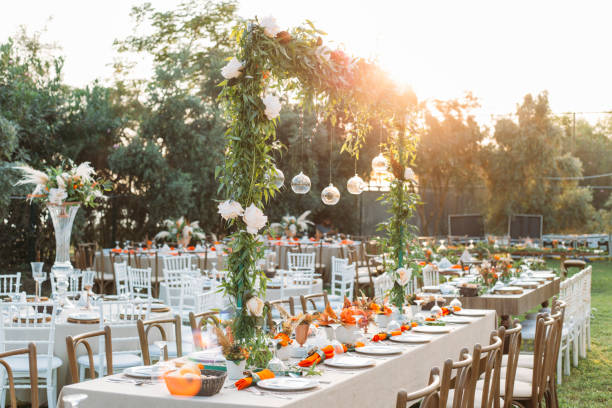
How to Set a Catering Budget for Your Dream Wedding in Alexandria VA
One of the most significant aspects of your wedding planning process is setting a budget for catering. Your catering choices not only impact the overall guest experience but also play a major role in determining how much you’ll spend. Here’s a step-by-step guide to help you establish a realistic catering budget without compromising on quality or elegance.
Understand the Average Cost of Wedding Catering
- The type of service (e.g., buffet, plated dinner, family-style)
- The number of courses served
- The inclusion of additional items like appetizers, late-night snacks, or dessert tables
- Alcohol options (e.g., open bar, limited bar, or BYOB)
Research local caterers in your area to get an idea of pricing trends.
Determine Your Guest Count Early
- Finalize your guest list before signing any contracts with caterers.
- Plan for about 5%-10% more guests than anticipated to account for last-minute RSVPs or unexpected attendees.
- Be mindful that fewer guests often allow you to splurge more per person on higher-quality food and drink options.
Decide on Service Style and Menu Options
| Service Style | Cost Impact | Notes |
| Buffet | Generally more affordable | Requires fewer staff; however, may lead to food waste if portions are not carefully managed. |
| Plated Dinner | Higher cost | Provides a formal experience but involves additional staffing needs and coordination to serve multiple courses simultaneously. |
| Family-Style | Moderate cost | Creates an intimate dining atmosphere but requires substantial amounts of food to ensure all guests are satisfied. |
When it comes to menu selections, consider offering seasonal ingredients or local cuisines that may help reduce costs while adding a unique touch.
Account for Additional Catering Costs
- Service Charges: Many caterers charge an additional fee for staffing (servers, bartenders) or setup/cleanup services.
- Gratuities: Plan to tip servers and other staff members around 15%-20% depending on service quality.
- Rentals: Additional costs may include tableware, linen rentals, glassware, and serving equipment if not provided by your venue or caterer.
- Alcohol Costs: Decide whether you’ll provide an open bar or limit drink options based on your budget constraints.
Prioritize What Matters Most
- Is it essential that you serve gourmet dishes?
- Do you want premium alcohol selections at the bar?
- Are elaborate presentations important?
By focusing on priorities rather than trying to do everything at once, you’ll be able to allocate funds where they’ll have the most meaningful impact.
Consult with Multiple Caterers
- Request quotes from at least three different caterers so you can compare their offerings side by side.
- Ask each caterer about their packages—some may offer discounts when bundling services like appetizers and late-night snacks.
- Ensure full transparency regarding pricing structures so there are no surprises later in the process.
Sample Budget Breakdown Table (For 100 Guests)
| Expense Category | Estimated Percentage | Approximate Budget ($10k Total) |
| Food | 50% | $5,000 |
| Beverages | 20% | $2,000 |
| Staffing & Gratuities | 15% | $1,500 |
| Rentals & Tableware | 10% | $1,000 |
| Taxes & Miscellaneous | 5% | $500 |
By planning carefully and being mindful while allocating resources within your budget framework, you can create an unforgettable dining experience that aligns perfectly with your dream wedding vision while staying financially responsible.
Tips from a Catering Company Alexandria VA on Setting Your Dream Wedding Budget
When planning your wedding, catering is often one of the most significant expenses. Setting a realistic and well-thought-out catering budget is essential to ensure your big day is both memorable and financially manageable. Below are expert strategies to help you establish and stick to a catering budget that aligns with your vision.
Factors to Consider When Creating Your Budget
- Number of Guests: The guest count directly impacts food, beverage, and service costs. Confirming your guest list early can help you determine an accurate estimate.
- Style of Service: The type of service you choose—plated dinners, buffets, family-style meals, or food stations—will affect costs. Plated dinners tend to be more expensive due to higher staffing needs.
- Menu Selection: The complexity of your menu can significantly impact pricing. Premium dishes featuring seafood or exotic ingredients will cost more than simpler options like chicken or pasta-based meals.
- Beverages: Alcoholic beverages are a large expense in many weddings. Decide whether you’ll offer an open bar, limited bar, or signature drinks only. Non-alcoholic options can also add up if you’re opting for specialty beverages like mocktails or infused waters.
- Hidden Costs: Don’t forget about extras like taxes, gratuity, service fees, cake cutting fees, and rentals (e.g., linens, glassware). These can add 20%–30% to the final catering bill.
Steps to Set Your Catering Budget
- Determine Total Wedding Budget
Before allocating funds specifically for catering, decide on an overall wedding budget by considering what you’re comfortable spending without undue financial stress. - Allocate 40%–50% for Catering
A good rule of thumb is to reserve 40%–50% of your total budget for food and beverages since this will likely be one of the largest single expenses. - Get Multiple Quotes from Caterers
Request detailed quotes from at least three caterers to compare prices and offerings. Look closely at what’s included versus what may come as an additional charge. - Prioritize Must-Haves Over Extras
Decide which aspects matter most to you—whether it’s gourmet entrees or unique cocktails—and allocate more resources there while cutting back on items that aren’t as crucial. - Plan for Contingencies
Set aside 5%–10% of your catering budget as a buffer in case unexpected costs arise during the planning process.
Example Table: Sample Catering Budget Breakdown
| Expense Category | Percentage Allocation | Estimated Cost (Based on $15k Wedding) |
| Food & Beverages | 45% | $6,750 |
| Rentals (Linens/Décor) | 10% | $1,500 |
| Staffing/Service Fees | 8% | $1,200 |
| Gratuities & Tips | 7% | $1,050 |
| Miscellaneous Costs | 5% | $750 |
Total Cost = $11,250 (Example assumes other wedding categories make up remaining costs like venue rental or photography)
Tips for Saving Money on Catering
- Opt for seasonal ingredients which tend to cost less yet offer fresh flavors.
- Skip elaborate plated meals in favor of buffet-style setups.
- Limit bar service hours instead of offering an open bar all evening.
- Incorporate stations showcasing simple yet crowd-pleasing favorites such as pasta bars or taco stations.
- Choose smaller portion sizes but compensate with filling appetizers during cocktail hour.
By taking these steps and carefully balancing taste with practicality, you’ll establish a well-rounded catering plan that delights guests without overwhelming your finances.
- Tips for Choosing the Best Catering in Alexandria VA for Your Wedding
- How to Choose the Right Alexandria Catering Service for Your Wedding or Special Event
- Tips for Choosing the Perfect Catering in Alexandria VA for Your Wedding Celebration
- 5 Things to Consider When Choosing Alexandria Catering for Your Wedding
- Essential Tips for Choosing the Perfect Wedding Catering in Alexandria VA for Your Big Day
- Questions to Ask Before Booking Catering in Alexandria VA for Your Wedding